Most drivers don’t think about glass until a rock bounces off the highway and leaves a white star the size of a dime in the middle of the windshield. In Columbia, that scenario is common on I‑26 and I‑77. The next thought usually lands on insurance: do I file a claim, what’s my deductible, and is it smarter to pay out of pocket? The right choice depends on the dollar math, the type of glass damage, and how local shops in Columbia handle calibration and same‑day scheduling. I’ve navigated this dance for fleet vehicles and personal cars, and the patterns are predictable once you know how deductibles work.
What your deductible actually does
Your deductible is the amount you pay before your insurer covers the rest. If your comprehensive deductible is 250 dollars and your windshield replacement Columbia quote is 450 dollars, you pay 250 and the carrier pays 200. If the repair is below the deductible, you pay it all, no claim filed. Straightforward in theory, but two details trip people up.
First, glass usually falls under comprehensive coverage, not collision, because road debris and vandalism are non‑collision losses. Many drivers in South Carolina carry comprehensive with deductibles between 100 and 500 dollars, though you still see 1,000 on some high‑deductible policies. Second, some insurers apply special glass rules. A few offer zero‑deductible windshield chip repair Columbia if the damage is small and repairable. Others allow a separate, lower glass deductible you choose at renewal. The catch is that those options must be in your policy before the rock flies. You can’t opt into a lower deductible after the fact.
I always advise pulling your declarations page or app and confirming three line items: comprehensive deductible, whether glass has its own deductible, and whether your carrier waives the deductible for chip repairs. Ten minutes now can save you a claim you didn’t need to file.
The break‑even math for Columbia drivers
In the Columbia market, I see typical retail pricing cluster like this:
- Windshield chip repair Columbia: usually 80 to 140 dollars for the first chip, plus 20 to 40 for each additional chip. Many shops cap a multi‑chip invoice around 180 to 220 if they’re close together. Windshield replacement Columbia: for common sedans without advanced features, 300 to 500 dollars. With rain sensors, acoustic interlayers, heating elements, or heads‑up display, expect 450 to 900. If the vehicle has ADAS camera systems, add calibration costs. Rear windshield replacement Columbia: 300 to 700 dollars depending on defrost grids and antenna elements. Side car window replacement Columbia: 200 to 450 dollars for door glass, often same day if the glass is in stock.
Now lay that against your deductible. If your comprehensive deductible is 500, most chip repairs will never justify a claim. A basic windshield replacement might not either. On the other hand, when the job requires windshield calibration Columbia to re‑aim cameras for lane‑keeping or automatic emergency braking, the invoice can jump by 200 to 450 dollars. That calibration turns a 450 replacement into a 700 to 900 event, and suddenly a claim makes sense if your deductible is 250 or 500.
I’ve watched owners miss the calibration line item entirely. They see a cheap glass quote online, schedule it, the technician arrives with a mobile rig, then explains the vehicle needs static or dynamic calibration after installation. Now the price grows, and your original decision on filing the claim no longer matches the new total. The safest move is to ask, up front, whether your model requires calibration and whether the shop performs it in‑house or via a partner. If they do it in‑house, you’ll get a cleaner, single invoice and less finger‑pointing if an ADAS light appears later.
When a claim helps and when it hurts
For insurance auto glass repair Columbia, the claim path is generally low friction. Carriers know cracked glass is a wear‑and‑tear inevitability on South Carolina roads. Most do not surcharge for a single comprehensive claim, especially for glass. But patterns matter. Stack three glass claims in twelve months and underwriting may raise an eyebrow at renewal. I’ve seen fleets get hit with higher deductibles after a run of claims triggered by construction zones.
There’s also the records question. Some drivers prefer not to have small claims on their history. If your chip repair is 120 and your deductible is 250, skip the claim. If your windshield is 850 with calibration and your deductible is 250, file it. The gray zones sit between 300 and 600. In that band, think about your cash flow, how many claims you’ve had recently, and whether the shop is offering a discount that keeps you comfortably below the deductible.
Shops in our area frequently provide small breaks for same day auto glass Columbia appointments or for scheduling mobile auto glass repair Columbia during low‑traffic windows. Combine that with a military, student, or first responder discount and you may end up well under your deductible without involving the carrier.
Chips, cracks, and the clock
Glass damage behaves like a leak in a dam. A chip the size of a pea looks harmless, then a hot day expands it across the driver’s line of sight. Columbia heat is no friend to damaged glass. When temps swing from a cool garage morning to a sun‑baked parking lot afternoon, expansion stress makes a crack travel. At highway speed, the airflow pushes on that weakened area and accelerates the failure. If a chip is small, clear, and outside your view sweep, a repair resin can save the panel with minimal optics. If a crack is longer than a dollar bill, most technicians will not repair it, and neither will insurers under their waiver policies.
The timing matters for deductibles because a 100 dollar repair avoided today often turns into a 600 dollar replacement in two weeks. The math says act quickly when damage appears. The only real exception is when a tiny chip sits deep in the passenger corner, miles from the sightlines and from the defroster vent. I’ve watched those stay stable for years, though you gamble when winter cold or a car wash hits.
Static vs dynamic calibration, and why it affects cost
ADAS cameras mounted on the windshield are now standard on most late‑model vehicles. After glass replacement, those systems need recalibration to track lanes, cars, and pedestrians accurately. Columbia shops typically use two approaches:
- Static calibration, performed in a controlled bay with targets and level floors. This requires fixtures, a specific bay length, and strict lighting. It adds time and cost but yields reliable results. Dynamic calibration, performed on the road with a scan tool while driving at specified speeds on marked roads. It can be done the same day after installation and suits conditions where a static bay isn’t available.
Some vehicles demand both, or at least a scan to determine requirements. If your shop handles windshield calibration Columbia onsite, you save the disruption of towing or driving to a dealer afterward. If they sub it out, expect an extra appointment. Insurers pay for calibration when it is required by the vehicle manufacturer, not when it is optional. The shop should document the necessity with service bulletins and pre‑ and post‑scan reports to qualify the claim. When your deductible is high, that calibration charge often swings the balance toward filing the claim rather than self‑paying.
How the claim process really works with local shops
Columbia carriers often route glass claims through third‑party administrators who maintain networks of approved shops. If you call your insurer first, they’ll suggest a network provider and give you a claim number. You are not legally bound to their first suggestion. South Carolina law lets you choose your shop. The benefit of staying in network is smoother billing. The benefit of choosing the best auto glass shop in Columbia for your specific vehicle is better quality control, especially with ADAS and specialty glass.
An experienced shop will walk you through a three‑step pattern. First, they verify your policy details and deductible by calling the carrier with you on the line or using their portal. Second, they price the glass by part number. VIN decoding matters here, because the same model year may have three windshield options: base, acoustic, and heads‑up display. Third, they schedule installation, mobile or in‑shop, and book calibration if needed. The entire process from claim filing to finished job can fit into a same day auto glass Columbia timeline if the glass is stocked locally. Backorders happen, especially for fresh model years and trucks with rare options, so ask about lead times up front.
Mobile versus in‑shop service, and how it ties to insurance
Mobile auto glass repair Columbia is incredibly useful for chip repairs and basic replacements on vehicles that do not require static calibration. A skilled mobile tech can come to your office on Huger Street, swap the glass, and be gone in 90 minutes, leaving the car to sit for the urethane cure time. Insurance claims work fine with mobile service if the shop is set up for digital signatures and photo documentation. Insurers only care that the work meets manufacturer procedures.
For ADAS, many shops will insist on in‑shop work. Static calibration needs level floors and calibrated targets. Dynamic calibration needs a clear route with visible lane markings, and heavy rain or traffic can force a reschedule. That means you may want to plan around weather, especially in summer thunderstorm season. If your schedule is tight, ask whether the shop can start with installation in the morning and attempt calibration in the afternoon, with a fallback appointment the next day if road conditions don’t cooperate. Most carriers accept this phased approach in their billing.
Glass quality, aftermarket parts, and what insurers approve
Policyholders often ask whether the insurance will pay for OEM glass. The answer is, it depends on your policy language and the availability of high‑quality aftermarket parts. Many carriers authorize aftermarket glass that meets DOT standards for safety and fit, and they pay for OEM only when specified by the manufacturer or when ADAS performance demands it. In practice, reputable aftermarket brands perform well on most models. On vehicles known to be picky about optics for heads‑up displays or rain sensors, I prefer OEM. An experienced advisor will know the troublesome pairings, like certain European sedans where aftermarket acoustic layers don’t damp road roar as well.
If your heart is set on OEM and your policy only authorizes aftermarket, you can usually pay the difference. The shop will write a supplement showing the cost delta and you cover that out of pocket. Think of it like an elective upgrade. From a deductible standpoint, remember that your deductible applies to the approved cost. If the carrier authorizes 600 and OEM costs 800, and your deductible is 250, you’ll pay 250 plus the 200 difference.
Preventing claim headaches before they start
A little preparation smooths the entire experience. I keep photos of my windshield etchings and feature list on my phone, including the rain sensor, camera placement, and any tint band or acoustic dot matrix. Those details help the shop order the correct glass without guesswork. After installation, I look for clean, even urethane beads, consistent gap along the A‑pillars, and proper molding fit. I also test the camera features on roads with clear markings and take a short, hands‑off moment to confirm lane‑keeping nudges. If anything feels off, call the shop sooner rather than later. Most reputable shops stand behind recalibration and will troubleshoot without nickel‑and‑diming you.
One more practical habit: keep a roll of clear tape and a small microfiber cloth in your glovebox. If a chip happens, a small piece of clean tape over the chip keeps moisture and dirt out before repair. Dry chips repair more cleanly and produce better optics. That tiny bit of care can save you 50 to 100 dollars in rework time, and it improves your odds of a waived deductible chip repair being accepted.
Local realities that affect scheduling and cost
Columbia’s combination of heat, interstate construction, and pollen season creates a quirky environment for glass work. Pollen and dust can contaminate urethane bonds during mobile installs. Good techs carry canopies and prep surfaces meticulously, but auto glass repair columbia windy days around the riverfront are not ideal for adhesive work. Similarly, sudden downpours can shut down dynamic calibration routes. If you need the car back by 5, book a morning slot and build a buffer.
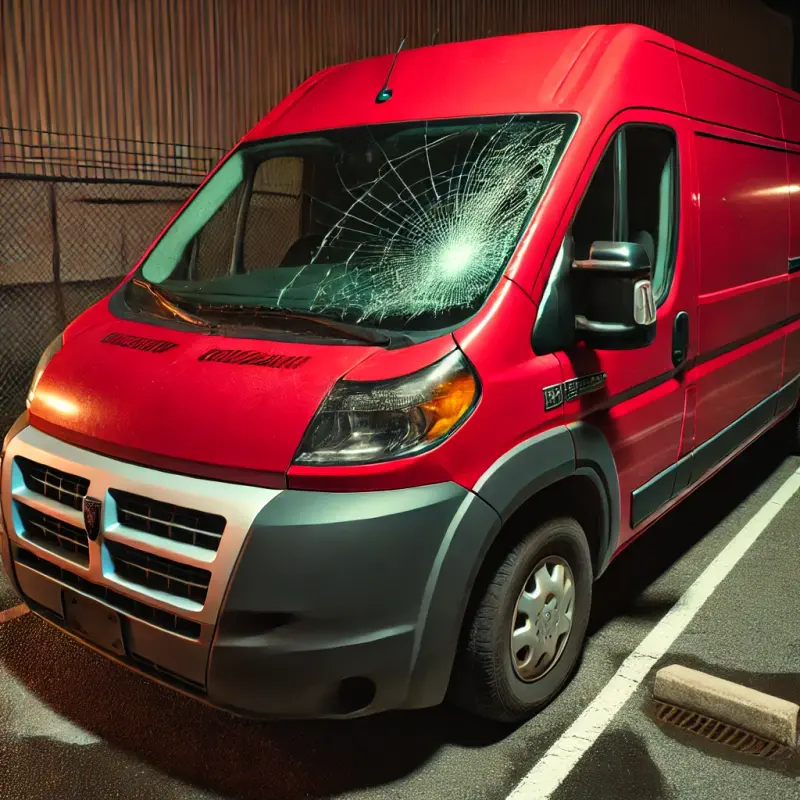
Parts availability ebbs and flows. Popular trucks and SUVs eat up inventory quickly, and specialty glass with antennas or thermal elements may take a day or two to source. If a shop quotes a suspiciously low price compared to market, ask whether the part is in hand or still in transit. Some discounters anchor you with an attractive number, then reset the timeline once you’ve cancelled your other leads. The best auto glass shop in Columbia will give you the real lead time and let you decide.
How to choose the right partner for insurance auto glass repair Columbia
The best shop for you depends on your vehicle and needs, not just the lowest estimate. Evaluate on three criteria: technical capability, insurer fluency, and communication. Technical capability shows in their calibration equipment, their willingness to scan and document, and their comfort with high‑option windshields. Insurer fluency shows in how quickly they verify your deductible, how they set expectations about OEM vs aftermarket, and how they handle supplements without drama. Communication is the tell you feel in your gut. If they explain in plain language, give you a written timeline, and own their schedule, you’ll have a smoother claim.
A smart way to test the waters is to call two shops and ask the same questions. Do I need calibration on a 2021 RAV4 with lane assist and adaptive cruise? Can you do it in house? What’s the cure time before I can drive? If one advisor answers confidently and the other waffles, the choice makes itself. Price matters, but a mis‑calibrated camera can cost you more than the difference between quotes.
A practical decision tree, without the jargon
Think of the process as a few binary steps. First, is the damage repairable or replacement‑worthy? A quarter‑sized chip away from the driver’s sweep is a repair. A crack longer than six inches or any damage in your direct view typically demands replacement. Second, check your deductible and any glass waiver. If repair is under 150 and you have no waiver, pay cash. If replacement is over your deductible by at least a couple hundred and the car needs calibration, file the claim. Third, decide mobile or in‑shop based on calibration needs and weather. Finally, choose the shop that demonstrates competency and can document calibration to manufacturer specifications.
The real cost of waiting
There’s a false economy in delaying glass work. I had a client with a small chip in a Civic who waited a month. The chip ran along the bottom edge on a hot day, spidering into the black border where the urethane meets the body. Replacing that windshield became harder because the crack had contaminated the bond line with micro‑fractures. The installer had to spend extra time removing slivers and prepping the pinch weld, which added labor and risk. What could have been a 120 dollar chip repair turned into a 520 dollar replacement plus an afternoon without the car. From a deductible perspective, she was 20 dollars shy of her 500, which meant no claim help and a bigger bill.
On the flip side, I’ve had a chipped F‑150 with a 250 deductible where the owner called within an hour of the hit. The shop repaired the chip same day, the carrier waived the deductible for repair, and the total out‑of‑pocket was zero. Two similar events, two very different outcomes, driven entirely by timing and policy features.
Special cases: rear glass, door glass, and tempered vs laminated
Rear windshields and side windows are usually tempered glass, which shatters into pea‑sized cubes on impact. Once it goes, it’s gone. There’s no repair option, only replacement. Insurers treat these as comprehensive losses. The cost swings with embedded defroster grids and antenna traces in the rear glass, and with tint on side glass that you might want to reapply afterward. If you carry a 500 deductible and the quote is 350, skip the claim. If the quote is 650, filing the claim is straightforward.
A handful of newer vehicles use laminated side glass for sound reduction. That glass behaves more like a windshield, staying in place after impact. It costs more and carries different part numbers. The shop needs to order exact matches for tint and lamination so your driver’s door doesn’t look different in the sun. This is where a shop’s VIN decoding and parts sourcing skill protects you from redo hassles.
Financing, cash options, and how to keep control
Not every driver wants to involve insurance, and not every budget can absorb a big outlay. Many glass shops now offer simple financing or pay‑in‑three options, which let you self‑pay while keeping your claim history clean. If you carry a high deductible, this can be a better path, especially when an insurer would only shave a small amount off a large invoice. The key is transparency: get a written quote that includes glass, moldings, adhesive kits, calibration, disposal, and taxes. If a shop offers a suspiciously low number, look for missing line items. A complete, honest estimate beats a teaser price that balloons after your car is half disassembled.
What makes a shop the best fit for you
Everyone claims to be the best auto glass shop in Columbia. The shops that earn repeat business usually do five things well. They tell you if a repair will not look perfect before they start, so your expectations match the reality of resin optics. They photograph pre‑existing scratches and document them, which protects both of you. They verify part numbers with your VIN, not just a model guess. They speak clearly with your insurer and provide scan data and calibration certificates. And when something isn’t right, they fix it without excuses.
If a shop hits those marks and can still offer same day auto glass Columbia when the parts are on hand, you’ve found a partner worth keeping on speed dial. It’s the rare service relationship that actually gets easier over time, because they’ll already have your vehicle info, your policy details, and your preferred scheduling windows.
A quick, no‑nonsense checklist for deciding claim or cash
- Confirm your comprehensive deductible and whether your policy waives it for chip repairs. Ask the shop if your vehicle requires ADAS calibration and whether they perform it in‑house. Get a full quote that includes glass, moldings, adhesive, calibration, disposal, and tax. Compare the quote to your deductible. If the total is only slightly above your deductible, consider paying cash to avoid a claim. If it’s significantly higher, file the claim. Schedule promptly to prevent small damage from becoming a larger, more expensive problem.
Bringing it all together
Insurance is a tool, not a default. For glass in Columbia, the tool works best when you pair it with clear information about your deductible, realistic local pricing, and an honest assessment of calibration needs. Repair small chips quickly, especially when your policy waives the deductible. Replace cracked windshields without delay if the damage is in your sightline or near the bonding edge. Treat ADAS calibration as non‑negotiable where specified by the manufacturer, because that’s your safety net on the highway. Choose a shop that can document every step, handle the insurer without drama, and meet you where you are, whether that’s mobile service in a parking lot or a carefully controlled in‑shop calibration.
Do that, and insurance auto glass repair Columbia becomes boring in the best possible way. No surprises, no back‑and‑forth with a call center, just a clean panel, a verified calibration, and a car you trust at 70 miles per hour on the Congaree bridge.